Growth, Capital Planning, and Spaces – Student population across the district has grown from about 10,000 students in 2016 to over 14,000 students in 2026. The district has been fortunate to be supported for significant capital projects funded by the provincial government over the past 10 years, but current expectations and expected budget reprioritizations from the province likely mean that the coming years will not be as fruitful with capital project approvals. When you add to this that the Sooke School District is one of few Districts across that province that are continuing to see growth, this presents significant challenges when our schools are already filled to bursting (and have been for years). With our next supported project (a 2,000 seat secondary school located in North Langford) expected to welcome students in September 2030, and no immediate new projects on the horizon, the district will likely need to look to purchasing temporary accommodations (portables) to manage growth over the next few years. Portables have not been (and are not expected to be) financially supported by either the Ministry of Education and Child Care or the Ministry of Infrastructure – this means that districts who rely on portables to create classroom spaces must pay for those out of the same funds that are used for teachers, EAs, library services, and all other front line classroom supports.
SD62 Issues
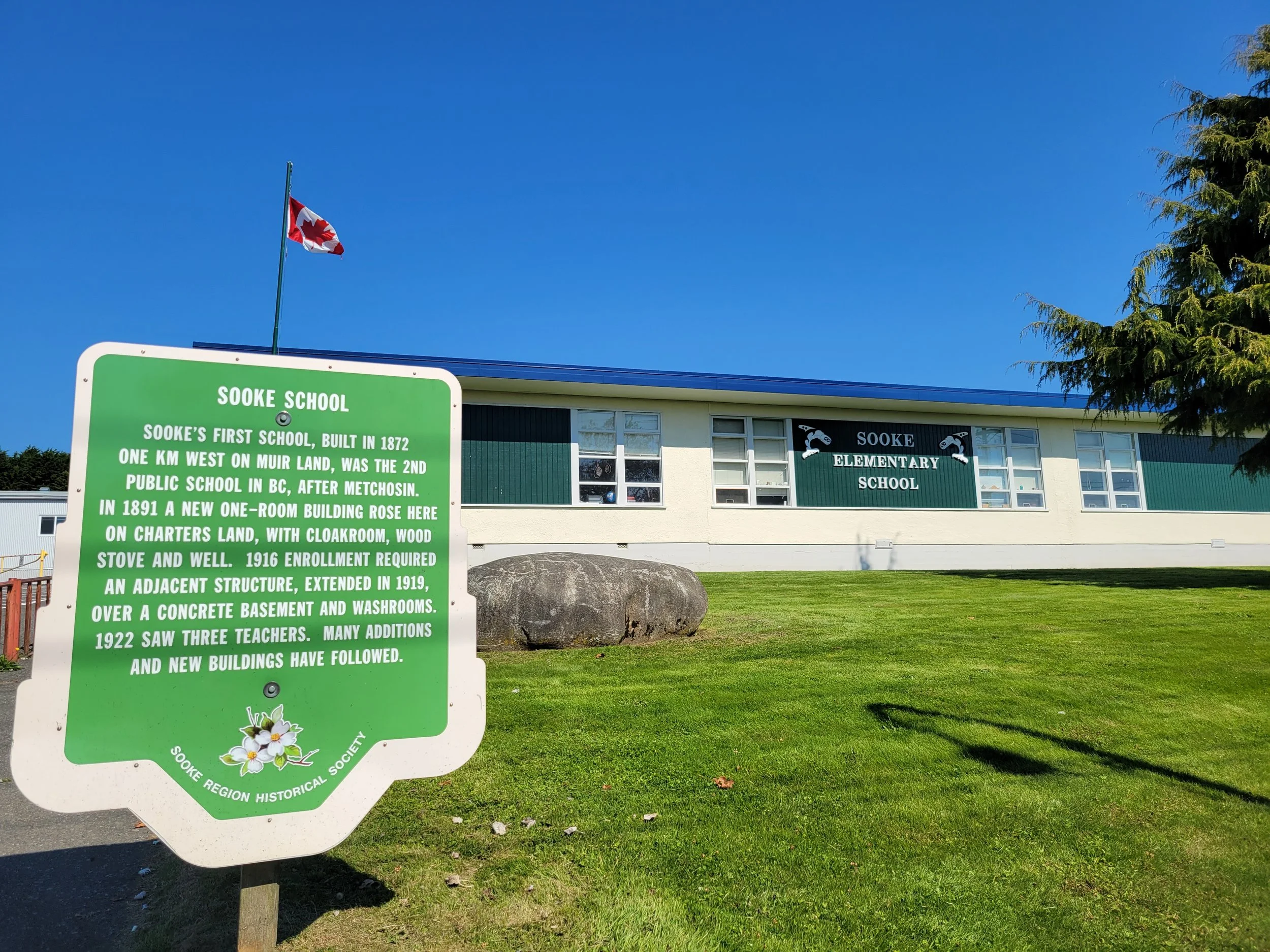
From the Milnes Landing perspective, there are two seismic projects currently sitting in the pipeline. Sooke Elementary has received conditional approval for seismic mitigation, but no funding has been committed, and there is not currently a business case before Treasury Board for approval. The district continues to advocate for a combined seismic/expansion project that would see a full rebuild of Sooke Elementary with 480 student seats to be located at the back of the current property. This would allow the current building to remain in place and operational during construction limiting disruption to students, while creating a new, safe, and accessible 2-story building that moves students further back from the busy Highway 14. Site access and parking would also be addressed for families, staff, and school busses with a potential for a much needed public transit hub to be located at the front of the school site. A rebuild would also provide the potential for a community emergency gathering space – the current space within the town core is the community hall which is neither seismically sound, nor would be accessible in an emergency situation. Amanda has consistently advocated for the necessity of this project with local MLAs as well as directly to Minister Ma (Minister of Infrastructure) and Minister Beare (Minister of Education and Child Care).
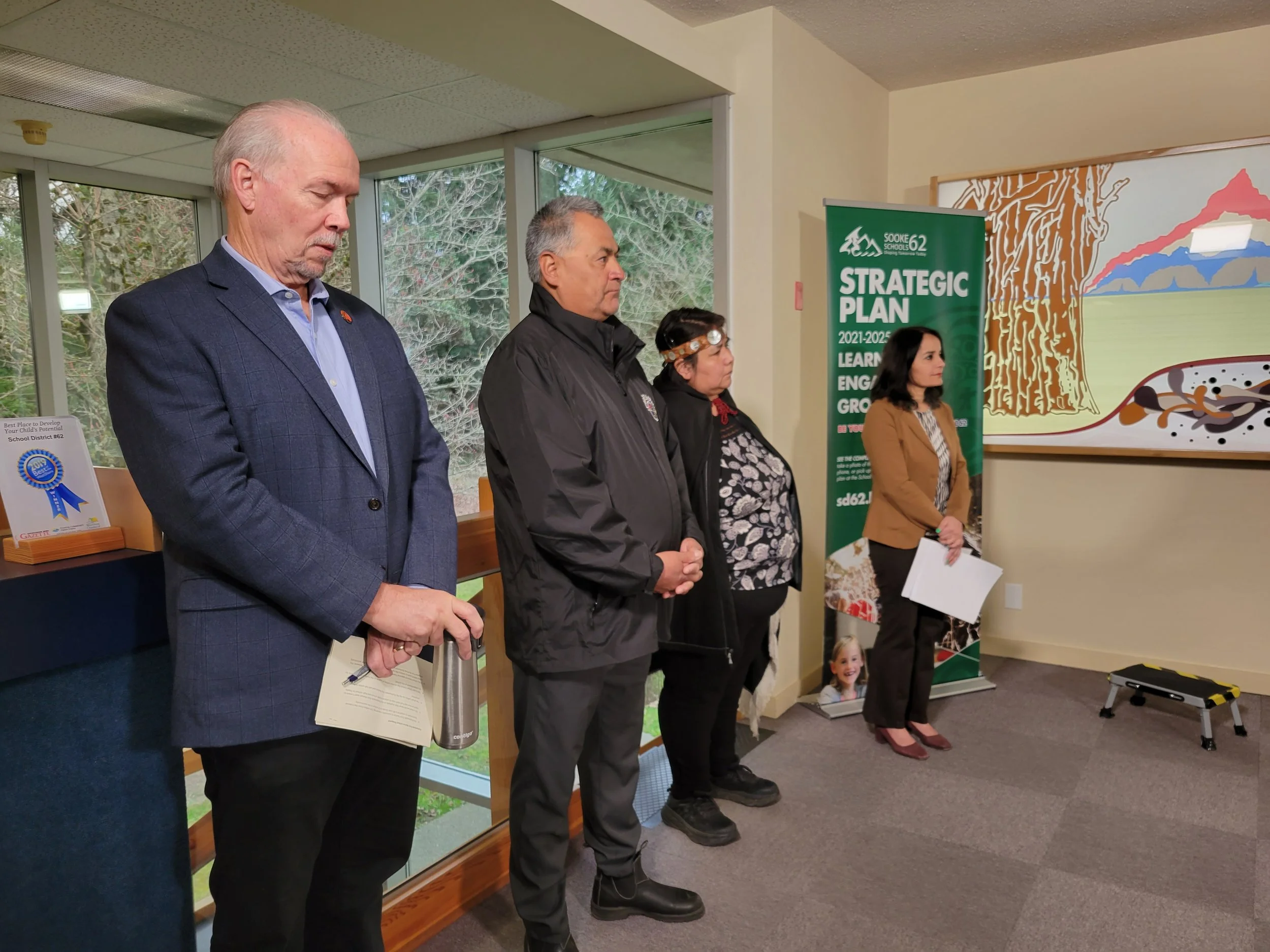
Port Renfrew Elementary was provided a certificate of approval (COA) of $11 million in 2023 for a full seismic replacement. This project has been engaged in extensive consultation and collaboration with paaʔčiidʔatx (Pacheedaht) Nation leadership and continues to progress towards tender with the expectation to be a 50-seat school supporting the needs of students up to grade 8 in the Port Renfrew community. In 2025, Amanda participated in the signing of a Local Education Agreement (LEA) with Pacheedaht Nation focused on developing authentic relationships that support educational outcomes for members of the Nation. Amanda strongly supports, and continues to advocate at a federal level for the Nation's goal of a secondary school that would keep students in and connected to community and run by the Nation. As a former SD62 student who relied on transportation services in a rural area, Amanda recognizes the impact that the long bus ride from Port Renfrew can have on student success and access to things like extra-curricular programming and employment opportunities.
Early Learning and Education Preparedness - the impacts of COVID and economic changes are being seen acutely in our schools and classrooms. Students across all grades levels (like many in our communities) are showing signs and impacts of reduced social engagement and communication skills over the last 6 years. Compared with their peers from 10 years ago, students entering kindergarten today can be coming in without basic skills in communication and social interaction. While we probably have more children entering kindergarten who are not experiencing their first time away from home thanks to the extensive expansion and accessibility of 0-5 child care, this is not necessarily preparing them for school – and not all care settings are created equally. Many students today are not entering school with the basic preparation skills they once had. Amanda recognizes that when her children were starting school, the expectation of readiness were that children could recognize most letters and numbers from 1-10, recognize and/or write their own name, be able to put on/take off their own coats and shoes, and use independently use the washroom. Today, it seems that many students are starting their school experience lacking at least a few of these basic skills.
The Sooke School District was fortunate to pilot a program started in 2018 connecting Early Childhood Educators (ECEs) with kindergarten classrooms across the district with a hope that eventually, the province would provide dedicated funding to support early learning in classrooms. At the conclusion of this pilot program, ECEs were deployed in approximately 30% of kindergarten classrooms across this district. Unfortunately, there was no directed funding provided from the province for this program, and it became unsustainable for the District to continue funding out of general operating funds. (Note: all CUPE members who were employed as ECEs have been retained and deployed in other positions across the district). There were some significant findings from this pilot project – and those have been presented provincially and nationally, but unfortunately, at this time much of the data is anecdotal with quantitative date on student outcomes showing little to no difference between students who participated in the K/ECE program and those who didn't. Additionally, the current mandate of the Ministry of Education and Childcare puts the role of an ECE solidly in the space of 0-5 care and not within the K-12 sector. That said, there are tangible lessons and information that have come from this program that can benefit the K-12 sector, and recent legislative changes have positioned school districts to be able to make use of those lessons.
Amanda believes that the Sooke School district is uniquely positioned to take the lessons, information, and data from the K/ECE pilot program and use those to build a district-adopted pre-kindergarten early learning strategy that would form the basis of a board operated pre-school program. This program would be offered on school sites providing upcoming students the space and opportunity to engage with the school community before entering kindergarten easing and supporting a vital transition point in a child's educational journey.
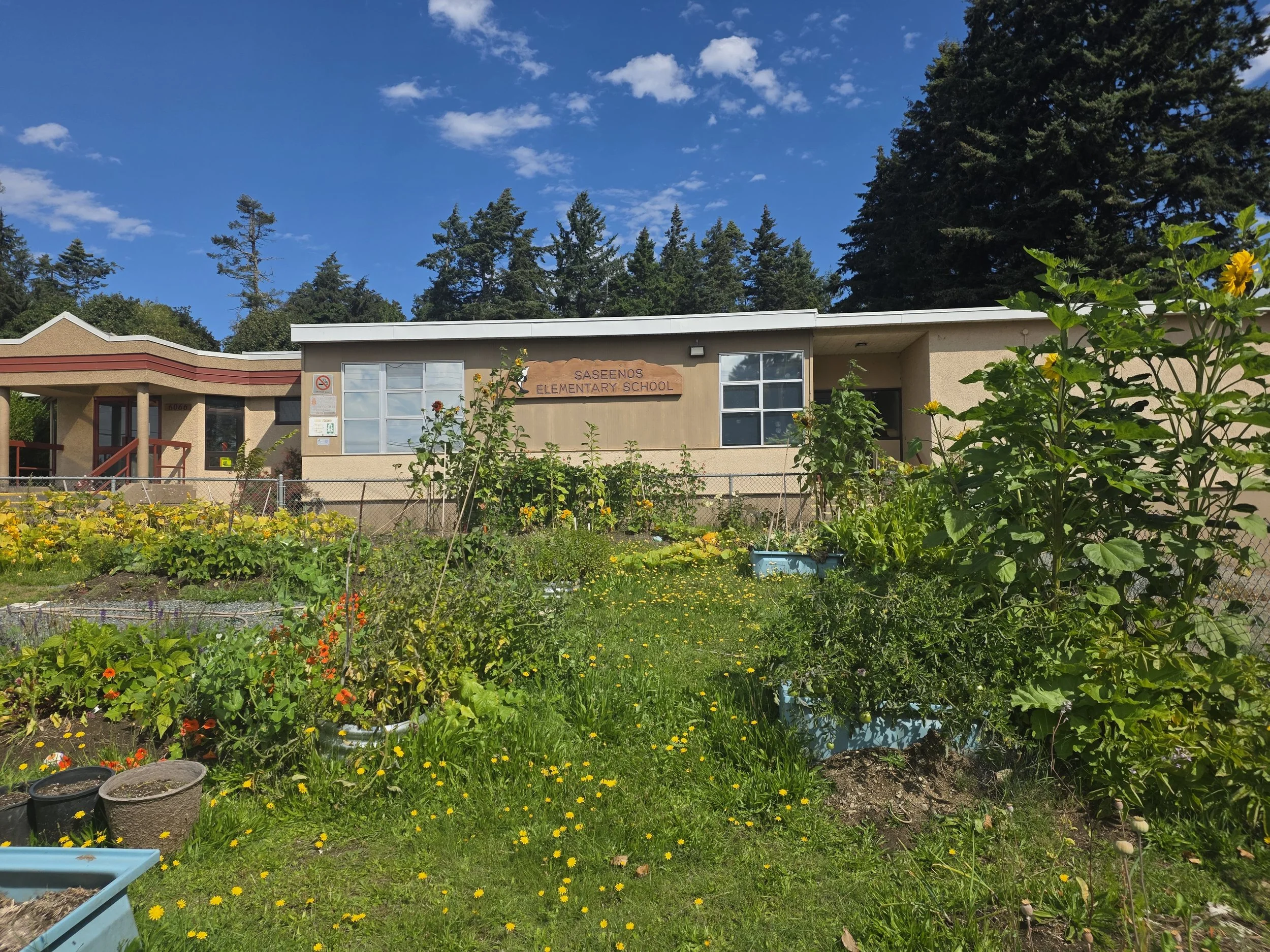
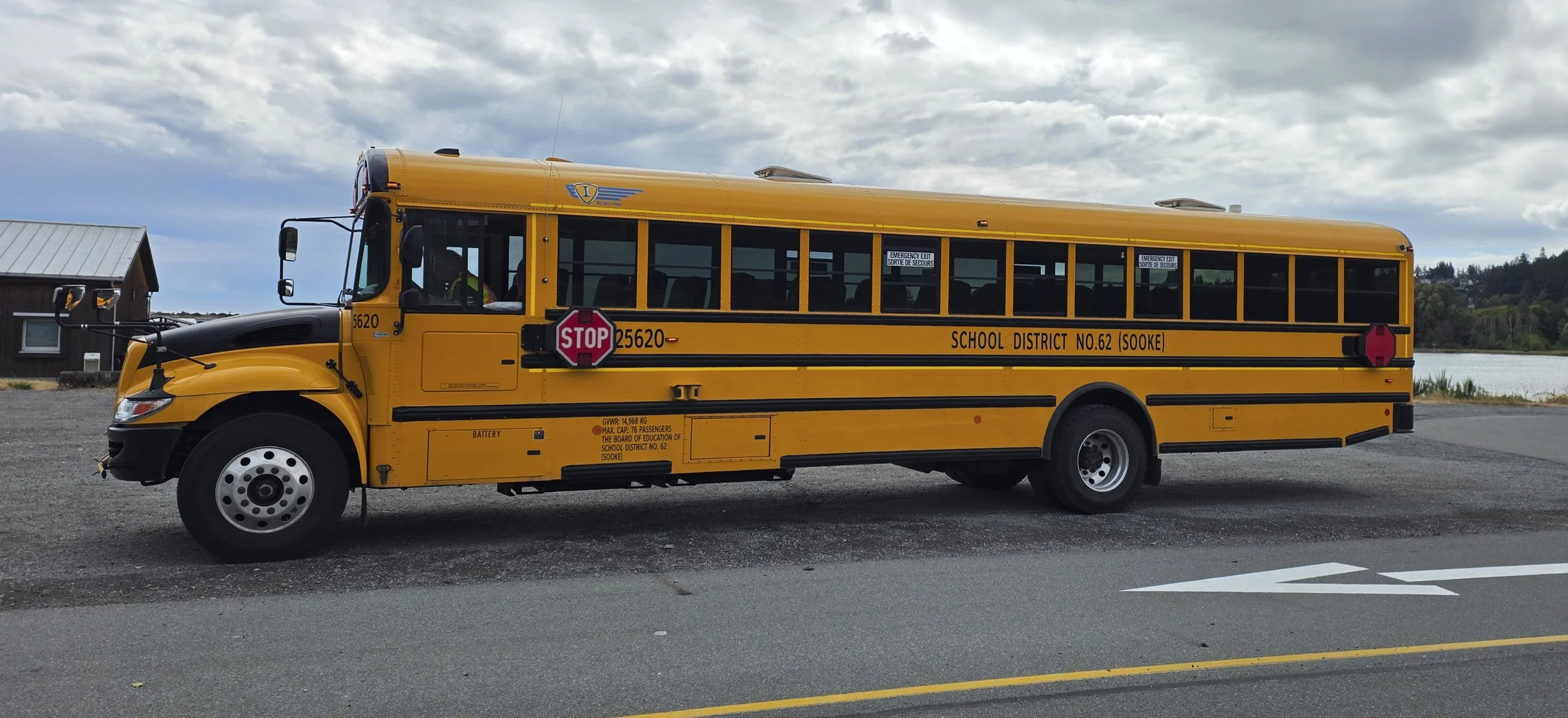
Transportation – while not a mandated responsibility of school districts, and outside the scope of the School Act, transportation services continue to be a need for the Sooke School District. As a former student who relied on the district's transportation services to access school, Amanda knows well how vital these services are – especially to our families in the rural areas of the district. As a parent, she has seen first-hand that there are families and students who are not able to get to school without access to district transportation, and how disruptive it can be when things like weather and driver shortages cause route cancellations. Her experience as a trustee has given another perspective in the delicate balance of providing these services with the limited resources. Within the 2025/26 Amended Budget, total transportation costs were approximately $4 million dollars with some offset by a provincial transportation grant of $360k and ridership fees paid by families of approximately $600k which still leaves about $3 million dollars coming out of general operating funds.
As the district continues to grow, future boards will need to be aware of the scope and complexity of transportation services and direction will need to be provided on guiding principles, priority of assigning routes and riders, and service levels balanced with the available resources. If re-elected, Amanda will continue to work collaboratively with local municipal partners, community organizations, and provincial partners to expand options for active transportation and safety upgrades. A position that remains unchanged from her tenure as a PAC and DPAC member is the need for riders in rural areas to have priority in both the routes that service those areas, but also service levels. Many students from East Sooke, Otter Point, Shirley (and beyond) already spend at least half an hour on the bus either way – if we add further waits before and after school, there is a direct impact on their ability to participate in things such as extracurricular and community programming, employment, or even just as members of their households.