Inclusion and Supporting Student Needs
Inclusion continues to be used as a word or tool to sow division in education. At its essence, the school system should be a place that is welcoming and provides opportunity for all students to feel safe, seen, and supported in their education journey. Students need to feel seen and represented in their school communities as the first step towards building feelings of belonging and safety. This includes having peers, resources, and learning that reflects their looks, culture, identity, and abilities. This goes far beyond simply putting all assigned students into a classroom space and expecting them to become successful students, and there are a few different areas that need to be addressed in order for schools and classrooms to foster inclusive learning environments.
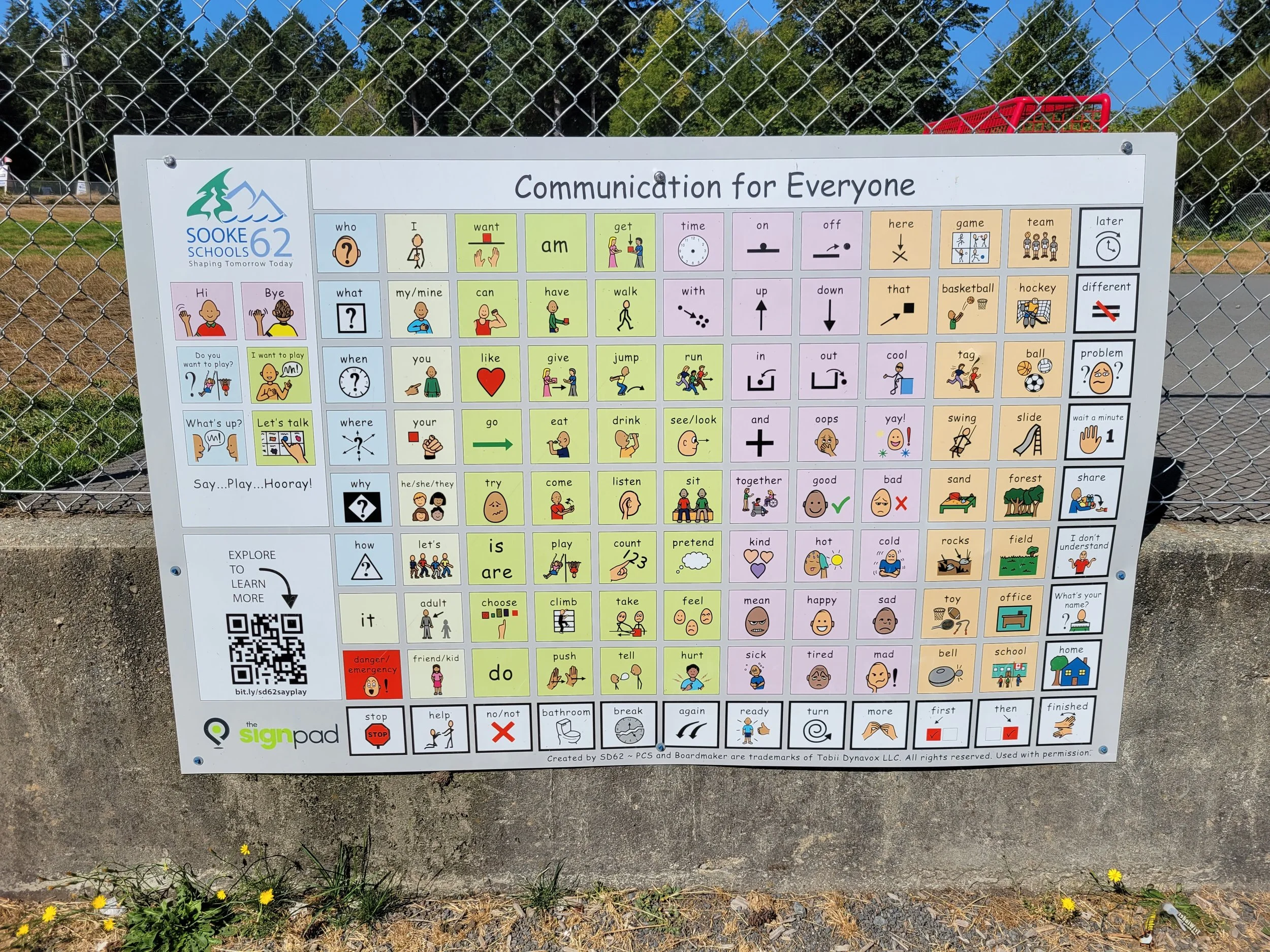
Physical and psychological safety – without doubt, we have seen an increase in instances of violence happening in our classrooms. Most often, this is a symptom of dysregulation and an impact of students who do not have the supports, tools, and skills they need. We are seeing a significant increase in designations for students with special needs, but also a decline in the level of social-emotional learning capacity of students starting school, and a general decline in communication skills – especially at the elementary level. Early and inclusive learning training and strategies tell us that behaviour is a form of communication, and for many of our youngest and most vulnerable learners, behaviour may be the only – or main form of communicating their needs and feelings that they possess. Currently, our communities are not serving the needs of these learners and their families – we need advocacy from all levels to ensure supports are in place as early as possible to help these students gain a solid foundation.
Additionally, there is much work to be done to reduce the amount of hate, bullying, and discrimination that we are seeing throughout our communities that then makes its way into our schools. This work needs to happen at all levels from home to the classroom (and school), throughout the community, and all the way to top levels of government – including the school board. Codes of conduct and behaviour policies can only go so far, and we are seeing increasingly the complexities, divisive mentality, and intolerance from society making their way into our classrooms.
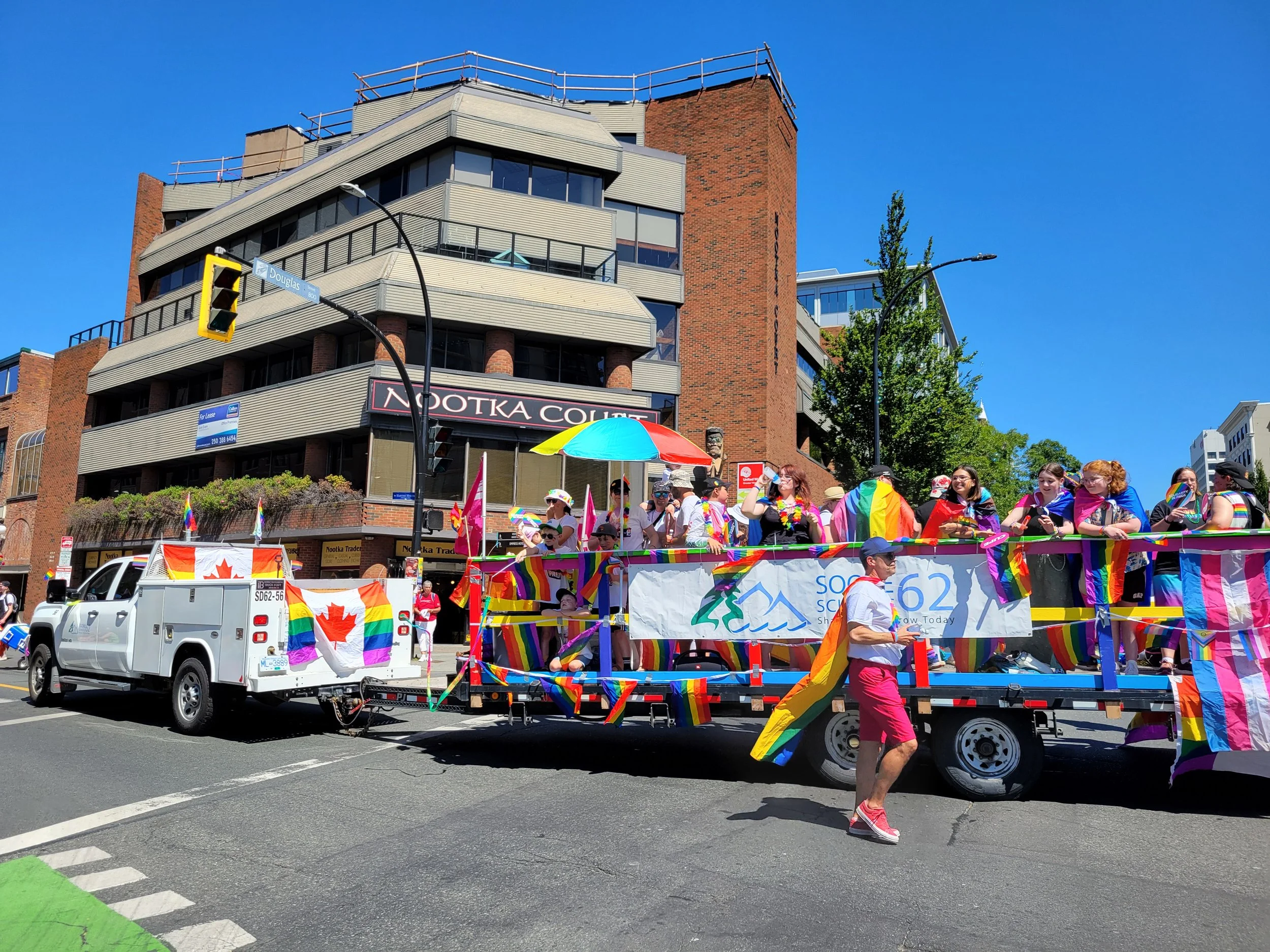
The ideology debate – something that we have seen an increase in over recent years has been the systematic attack on human rights protections under the guise of ideology. To be clear, 2SLGTBQIA+ rights, trans rights, and BIPOC rights are human rights. The work that has been done in curriculum review to recognize and give language to these rights has – and continues to – save lives. Amanda has, and will continue to loudly fight for the rights, safety, and visibility of 2SLGTBQIA+ students, staff, families, and community members.
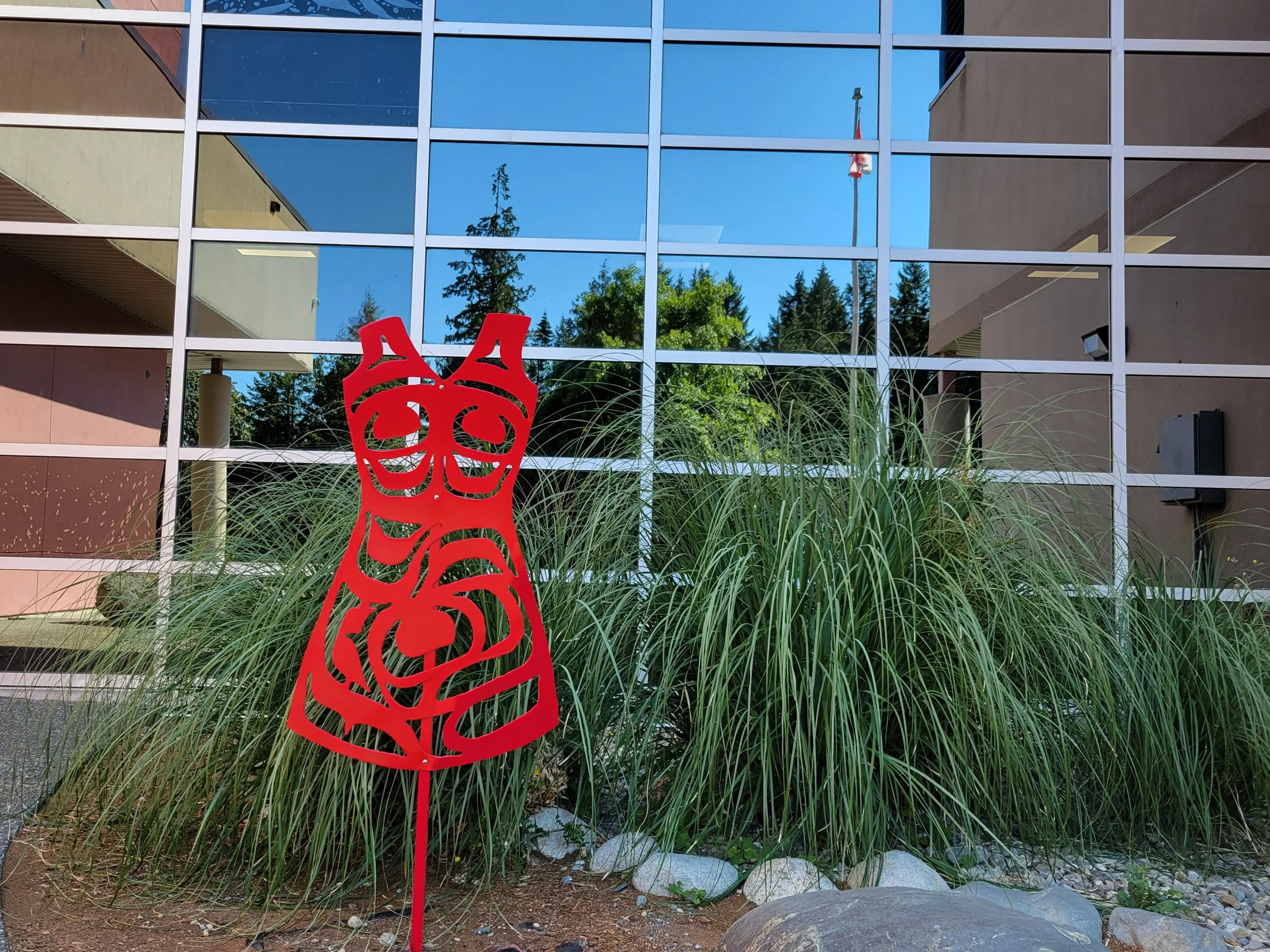
Indigenous rights and anti-racism – the reality today is that our communities (both virtual and in person) reflect a tragic rise in generally directed racism, and also racism and violence specifically directed towards the rights of Indigenous Peoples. At a time when one would hope we would be making significant strides towards true reconciliation, there is a loud but vocal minority that is spreading hate and misinformation looking to create division between Indigenous and non-Indigenous. Attacking things like land acknowledgements simply gives space to minimize the real issues such as the equity gap that exists between Indigenous and non-Indigenous learners.
Adequate funding continues to be a necessity to building robust public schools that support educational excellence to equip students for life and success after they leave the school system. School boards – supported by community advocates – must continue to put pressure on the province to address the funding shortfall that has further been impacted by rapid inflation. One of the promises made by David Eby and the NDP during the 2024 provincial election was that this government would put an Educational Assistant (EA) in every kindergarten through grade 3 classroom. To date, we have seen no indication that promise is a priority, nor has this been part of budget discussions or the Minister's mandate(s). If EAs in K-3 classes were introduced as a basic staffing measure, and outside of targeted inclusive education funding, this could increase district resources and build capacity to help our youngest learners get a stronger start to their educations. Additionally, it is far past time for a full review of the funding formula used to calculate per-pupil funding levels.